
To understand the soul of Spain is to understand a singular, eight-century war of survival. The Reconquista was not merely a series of skirmishes or a territorial dispute; it was a civilizational struggle to reclaim the European heart of the Iberian Peninsula from Islamic occupation. It was an epic, bloody, and glorious march that defined the spiritual and political identity of the Spanish nation as Christendom’s bulwark against expansionist Islam.
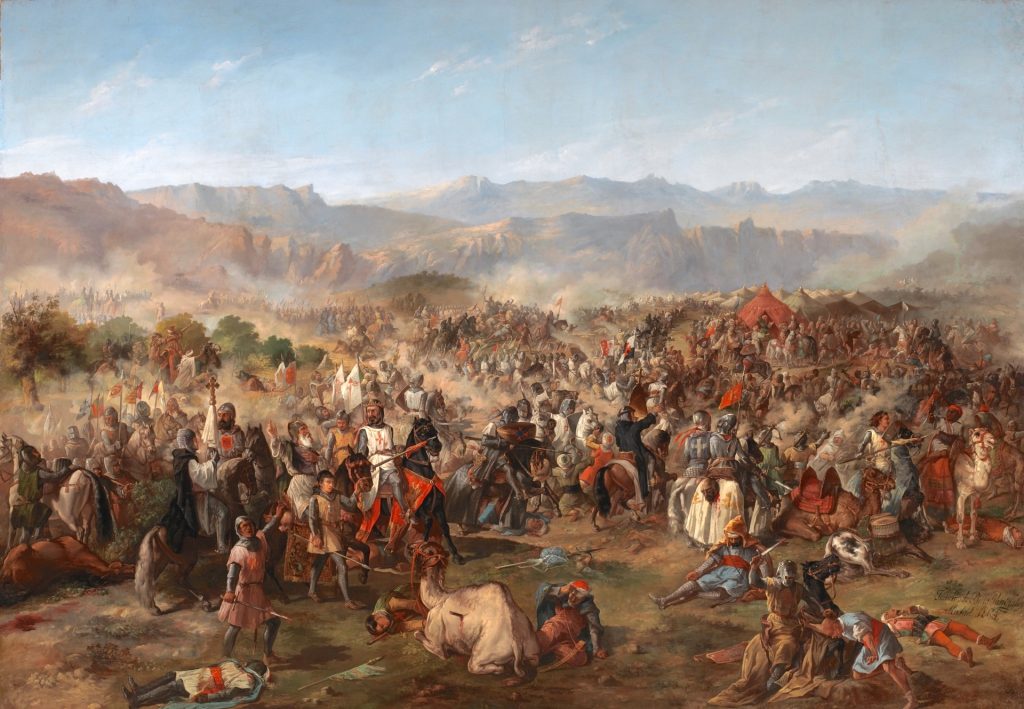
For the modern traveler, retracing the path from the green, rugged mountains of Asturias to the sun-drenched halls of Granada is more than a European vacation. It is a pilgrimage through the history of a people who refused to be erased.
The Spark: Covadonga and the Birth of a Nation
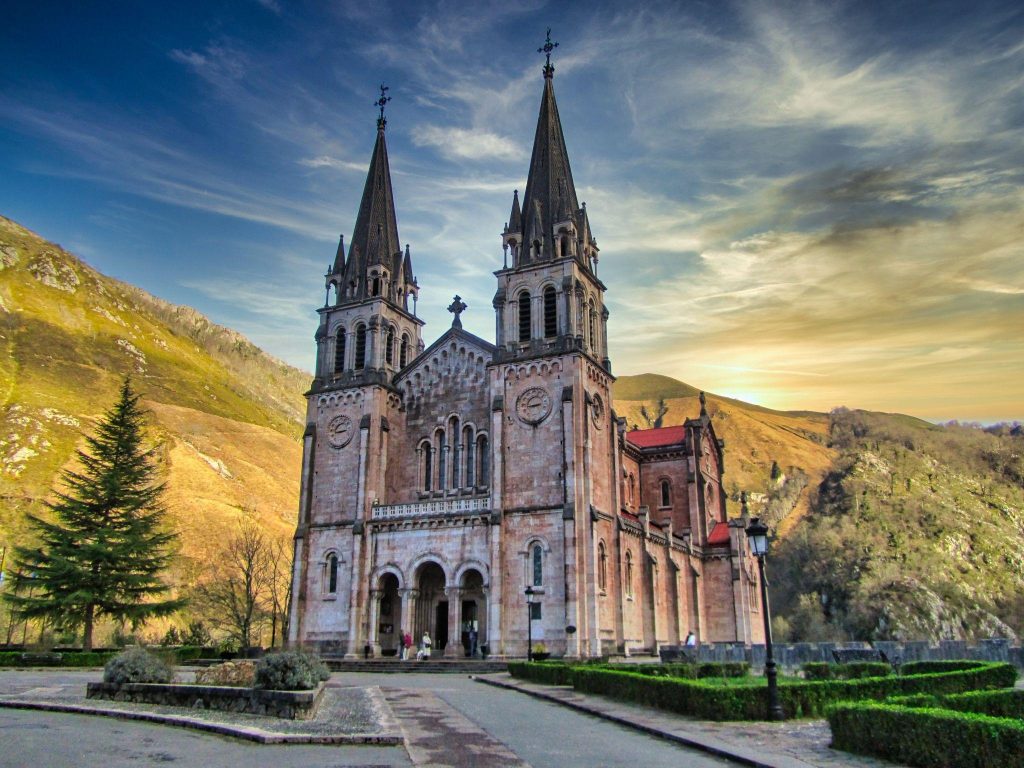
Our pilgrimage begins in the Picos de Europa, specifically at Covadonga. In 722 AD, Pelagius (don Pelayo in Spanish), a Visigothic nobleman, led a small band of Christian warriors against an overwhelming Umayyad force. Legend tells us that the Virgin Mary aided the victory, and it was here, in a mountain cave, that the spark of resistance became an inextinguishable flame.
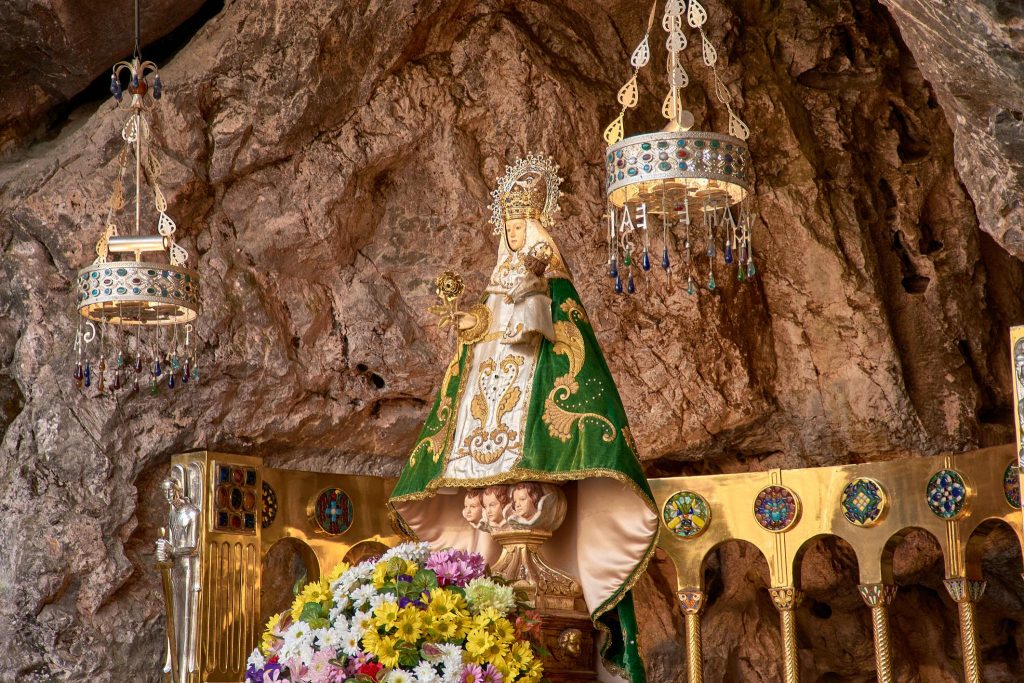
Covadonga is the cradle of Christian Spain. It represents the quintessential nationalist truth: a people is defined by its land, its faith and its heritage. The Asturian resistance was a rejection of the idea that Spain belonged to anyone other than its native Christian inhabitants. To stand in the shadow of those mountains is to understand the resolve required to preserve an inheritance against a foreign, occupying power.
The Middle March: The Expansion of the Frontier
As the Christian kingdoms of Castile, León, and Aragon pushed southward, they transformed the frontier into a way of life. This was the era of the repoblación, where settlers moved into reclaimed lands, building castles, cathedrals, and fortified towns.
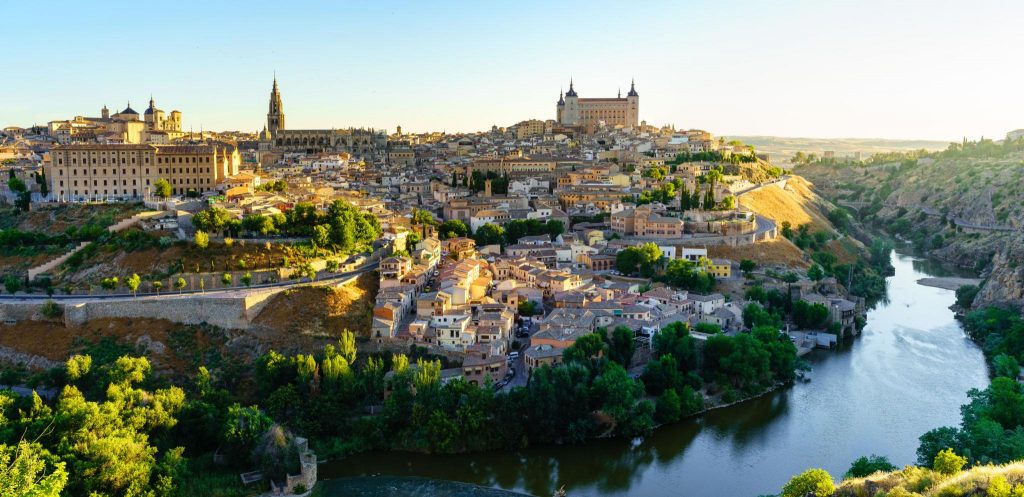
The political identity of Spain was forged in the fire of this expansion. The Spanish nobility became a warrior caste, defined by their service to the Cross and the Crown. This was not a soft or egalitarian society; it was a hierarchical, militant, and intensely religious culture. The “Crusader’s Journey” follows this path through the dry, rolling mesetas of the Castilian plateau, where the ruins of fortresses still punctuate the horizon—silent, crumbling sentinels of a long-standing defense.
The Zenith: Granada and the Final Triumph
The culmination of this centuries-long pilgrimage is Granada. In 1492, the forces of Queen Isabella I of Castile and King Ferdinand II of Aragon entered the Alhambra, signaling the end of the Nasrid Kingdom and the completion of the Reconquista. The fall of Granada was the final act of a drama that had begun 770 years earlier. It was the moment that restored the integrity of the Spanish nation. The Catholic Monarchs understood that a nation requires unity, a unity of faith and purpose. By reclaiming the peninsula, they set the stage for Spain to become the primary architect of Western civilization in the New World, carrying the cross across the Atlantic.
The Pilgrimage Today: Lessons for a Dispossessed Age
Traveling this arc today with fellow pilgrims and subject matter experts offers a sobering contrast to our current era of globalist forces actively denigrating the concept of the nation-state and demanding that European peoples apologize for the very ancestors who secured their survival.
The story of the Reconquista is the antidote to this modern malaise. It teaches several hard truths that are vital for the survival of any heritage-focused people:
- Persistence Over Generations: The Reconquista was not achieved in a day, a year, or a decade. It was the work of twenty-five generations of men and women who never lost sight of their birthright. True reform and reclamation require a long-term, multi-generational commitment.
- Unity is Strength: Spain was strongest when the kingdoms united under a common objective. Fractious, internal fighting only serves the enemy. The consolidation of Spain under Ferdinand and Isabella remains a masterclass in effective statecraft.
- Identity is Non-Negotiable: The Spanish people never accepted their subjection as “the new normal.” They understood that their identity was rooted in their ancestors, their land, and their faith. They did not attempt to “coexist” with an incompatible civilization; they reclaimed their own home.
Following the Path
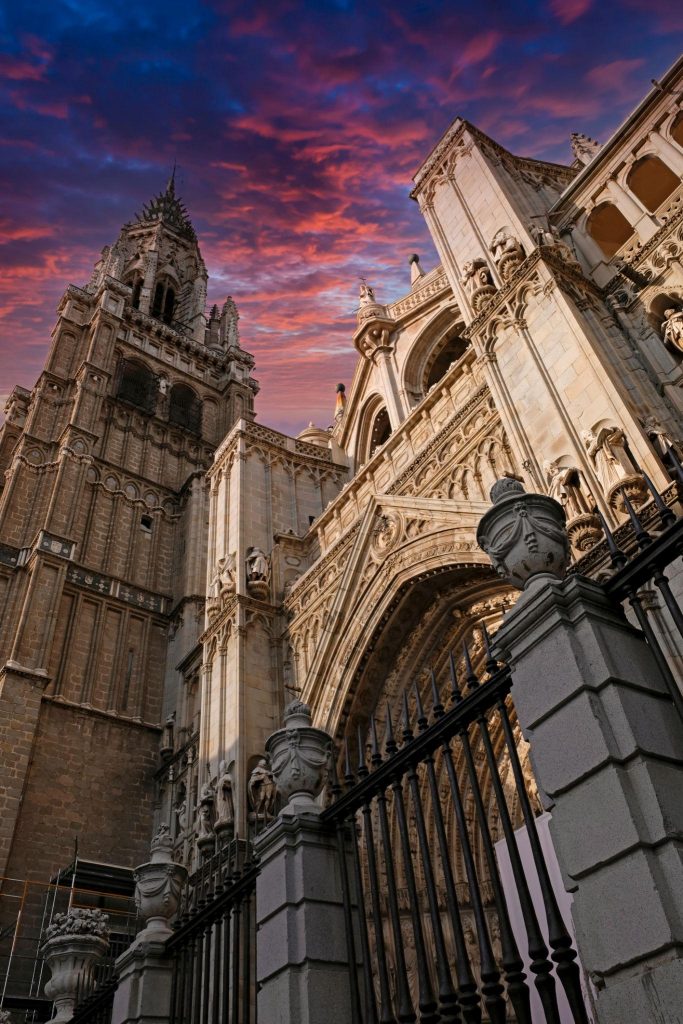
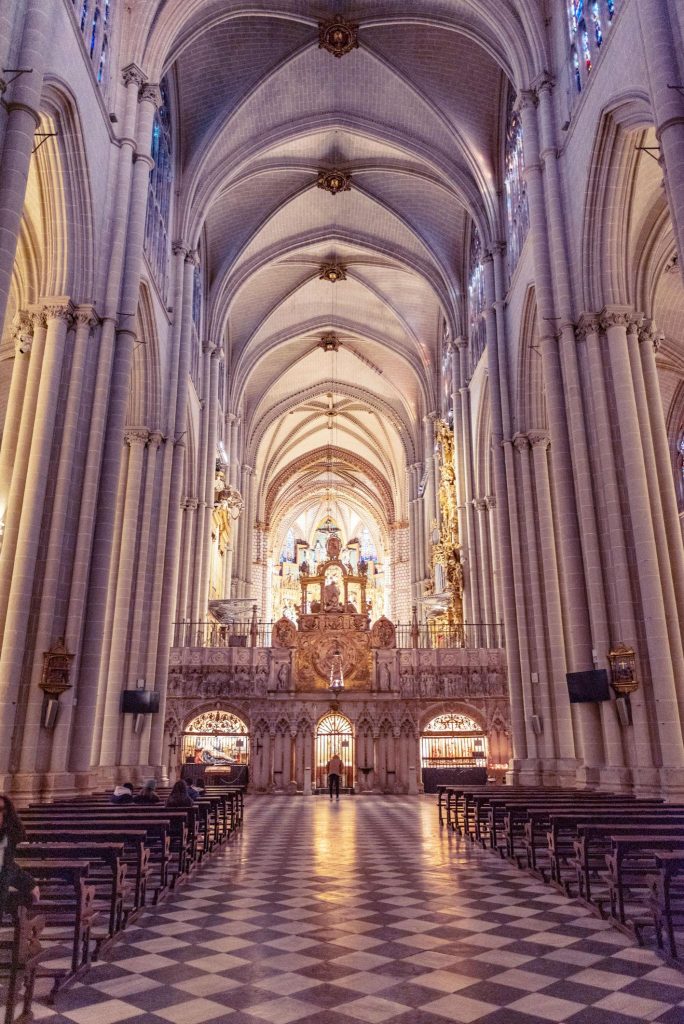
A modern pilgrimage along the route of the Reconquista should be approached with a sense of historical gravity. Visit the battlefield of Las Navas de Tolosa, where the combined Christian kings turned the tide of history in 1212. Stand in the cathedral of Toledo, the spiritual center of the restored nation. End your journey at the Royal Chapel of Granada, where the tombs of Ferdinand and Isabella rest, a testament to the leaders who finished the task.
As you walk these lands, reflect on the cost of the ground beneath your feet. You are walking on the victory of your spiritual and cultural predecessors. The Reconquista proves that even after centuries of foreign influence and occupation, a determined, faithful, and unified people can reclaim their destiny. The history of Spain is a beacon in the darkness for all of us who seek to preserve our own heritage in a world that wants to see us disappear.